A single service disruption or system change can trigger thousands of similar support requests within minutes. Tickets flood in across channels, each describing the same issue in slightly different ways, and teams are forced to triage noise before they can address the real problem.
This pattern repeats across industries. Requests arrive through tickets, chat, email, portals, monitoring tools, and telemetry, each providing only partial context. The challenge is not expertise. It is coordination at scale.
Teams spend time deduplicating reports, reconstructing incidents across systems, and chasing context before resolution can begin. As volume grows, response slows, escalations increase, and experts are pulled away from higher‑value work.
Elastic Agentic Support was built to change that.
Watch the Demo
Intelligent Support for Every Signal
The Challenge
Modern service organizations generate support signals at a volume and velocity that human teams cannot process fast enough.
Always‑on services produce large volumes of support data across ticketing systems, chat, email, portals, monitoring tools, and operational telemetry.
The result is not a lack of expertise. It is a signal‑to‑volume problem that slows response precisely when speed matters most.
When issues surface:
-
The same underlying problem is reported many times in different ways.
-
Support teams spend time deduplicating instead of resolving.
-
Engineers receive fragmented context across tools and channels.
-
High‑impact issues linger while teams sort signal from noise.
The Solution
Elastic Agentic Support introduces agentic, AI‑powered support designed for organizations operating complex, always‑on services. Instead of overwhelming teams with tickets and alerts, it deploys autonomous agents that absorb noise, correlate signals, and prepare actionable outcomes before escalation.
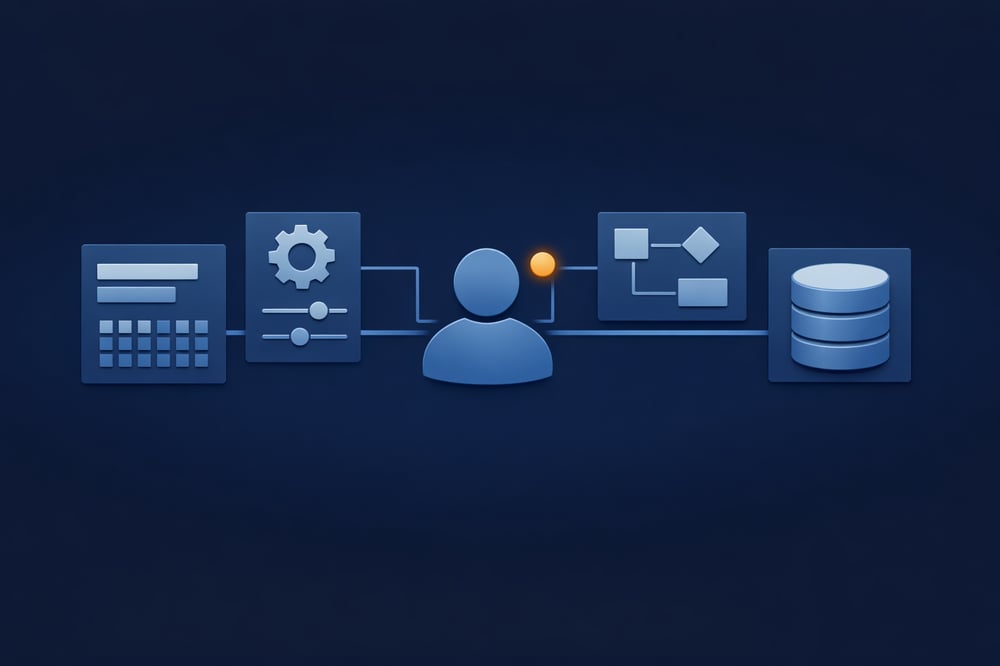
Elastic Agentic Support operates as an agentic layer across existing support and engineering systems, connecting to ticketing tools, communication channels, and telemetry sources. It continuously monitors incoming signals and applies reasoning at machine speed to determine what matters, what’s related, and how engineering resolution should be prioritized based on ticket volume and velocity, ensuring teams focus first on the issues with the greatest impact.
When issues surface:
- Incoming reports are automatically triaged across channels and grouped by underlying cause.
- Duplicate noise is reduced while patterns and high‑impact incidents are identified early.
- Routine issues are resolved through known‑issue workflows.
- Escalations arrive with context, evidence, and a clear scope.

Core Capabilities
Intelligent Signal Correlation
Automatic clustering of player reports across channels reduces high‑volume noise by grouping duplicates, surfacing patterns, and identifying emerging incidents early.
Human‑Guided Control
AI assembles context, evidence, and recommendations while humans retain full ownership of prioritization, decisions, and approvals.
Automated Resolution and Fix Prep
When engineering involvement is needed, issues are analyzed, fixes proposed, tests prepared, and resolutions packaged automatically for human review.
Agentic Layer for Live Operations
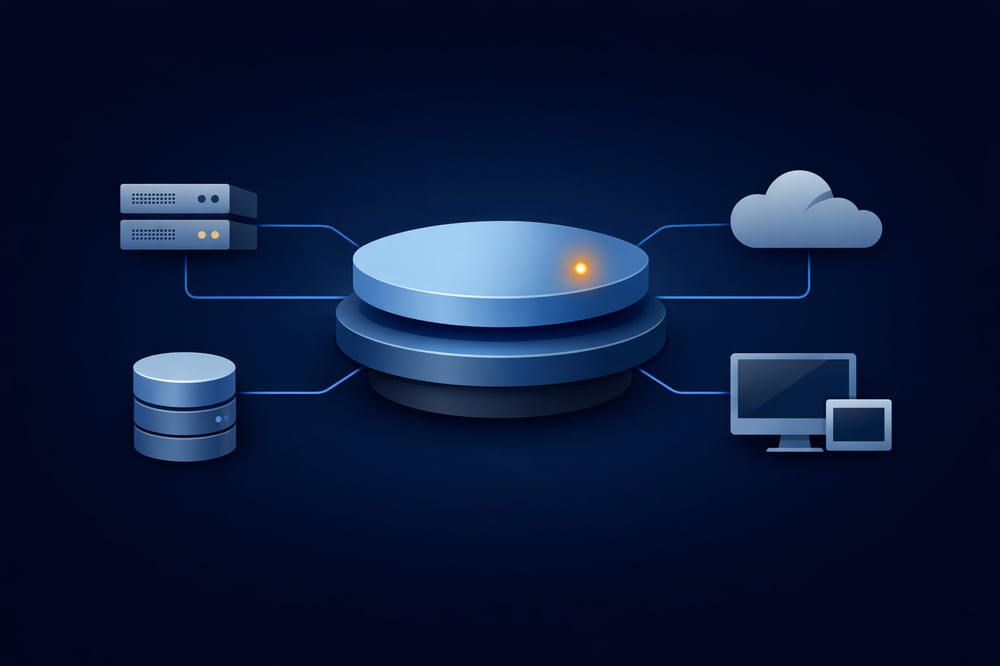
Elastic Agentic Support integrates with existing support tools, SDLC systems, and data platforms to provide an adaptive intelligence layer across live operations.
How It Works
Tier 1: AI First Response
Known issues are resolved quickly without unnecessary escalation.
When requests are submitted through tickets, chat, portals, or other support channels, Elastic Agentic Support:
Responds immediately with context‑aware acknowledgment.
Searches known issues, patch notes, FAQs, and live ops documentation.
Collects structured diagnostics across platform, region, and version.
Guides users through standard remediation when applicable.
Tier 2: AI Deep Analysis
What once required hours of manual triage becomes a single view.
When issues are new, unclear, or increasing in impact, the system shifts from response to reasoning:
Correlates incoming reports across support systems, channels, and telemetry.
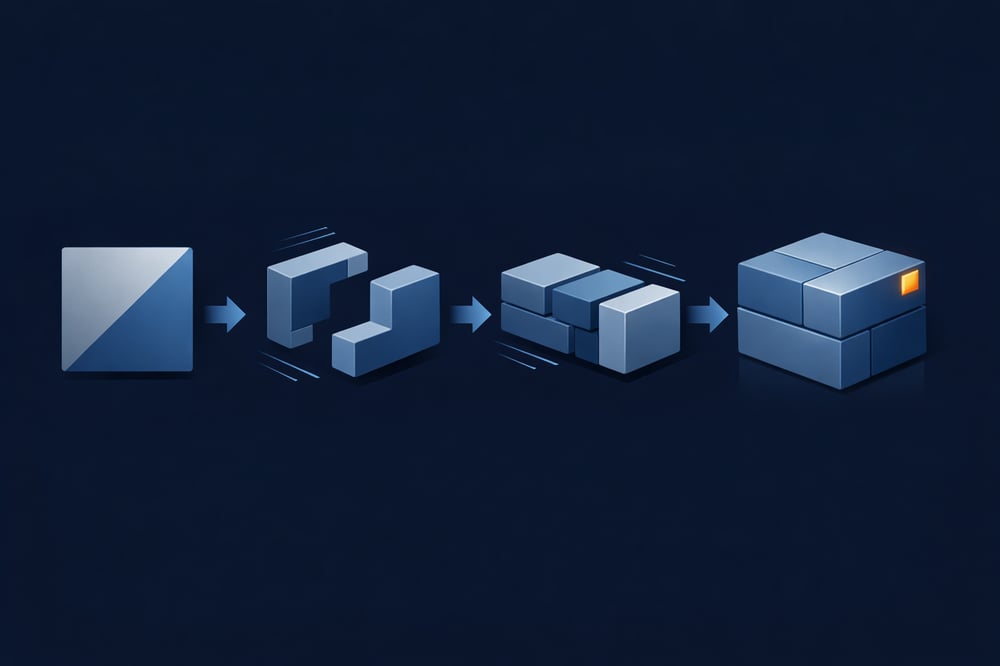
Groups duplicate issues into a single consolidated incident.
Identifies shared factors such as configuration, platform, deployment state, or user behavior
Searches historical incidents and internal knowledge.
Ready to Modernize Support for Live Experiences?
Elastic Agentic Support helps gaming and media teams move beyond reactive triage to intelligent, agent‑driven support without losing human oversight.
If you are ready to reduce escalations, accelerate resolution, and let your teams focus on what matters most, let us talk.